How to Choose Accounting Software in Bangladesh: 7 Questions to Ask Before You Buy
Most accounting software demos look the same. These seven questions separate the systems built for how Bangladeshi businesses actually file VAT, withhold tax and run payroll from the ones that just translate the menus.
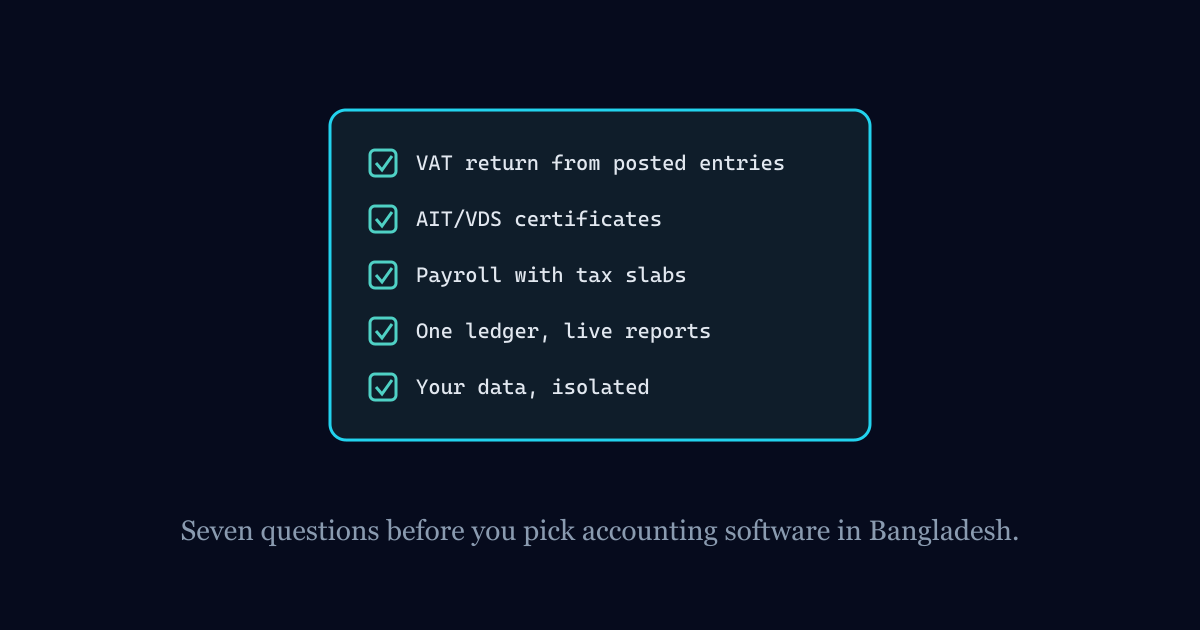
Every accounting software demo goes roughly the same way. Someone creates an invoice, the invoice shows up on a report, the report has a nice chart. Twenty minutes later you've learned almost nothing about whether the system will survive your first VAT month.
The differences that matter only show up when you ask about the awkward parts of running a business in Bangladesh. Here are the seven questions we'd ask, whichever vendor you're talking to. Ours included.
1. Where does the VAT return come from?
This is the question that sorts vendors fastest. In a lot of systems the monthly return (the Mushak-9.1 you file with NBR) gets built somewhere else: an export to Excel, some formulas, a person checking totals by hand. That means your books and your return are two different documents that happen to agree, when someone has time to make them agree.
What you want to hear is that output tax and input tax are computed directly from posted invoices and bills, by rate, with the sales and purchase registers sitting behind every figure. Ask them to show you. Then ask what happens to the return if you void an invoice from last week.
2. How does it handle tax withheld at source, in both directions?
AIT and VDS trip up imported software constantly, because the concept barely exists in the markets those products were designed for. You need two things. When your customer withholds tax from a payment to you, the system should record it against the invoice and keep the certificate. When you withhold from a supplier, it should produce the certificate and let you record the treasury challan against the deposit it settles.
If the answer is "you can set up a journal entry for that," it isn't really supported.
3. Does payroll know Bangladeshi tax, and does it post to the books?
Payroll is where "we support Bangladesh" often turns out to mean "we let you type in a percentage." Ask whether the income tax slabs are maintained per fiscal year, whether each employee gets a tax profile and an annual certificate, and whether gratuity provisioning and staff loan recovery are built in or left to a spreadsheet.
Then the part people forget to check: when payroll is finalized, does it post to the general ledger by itself? If someone has to key the salary journal in by hand afterwards, you've got two systems, not one.
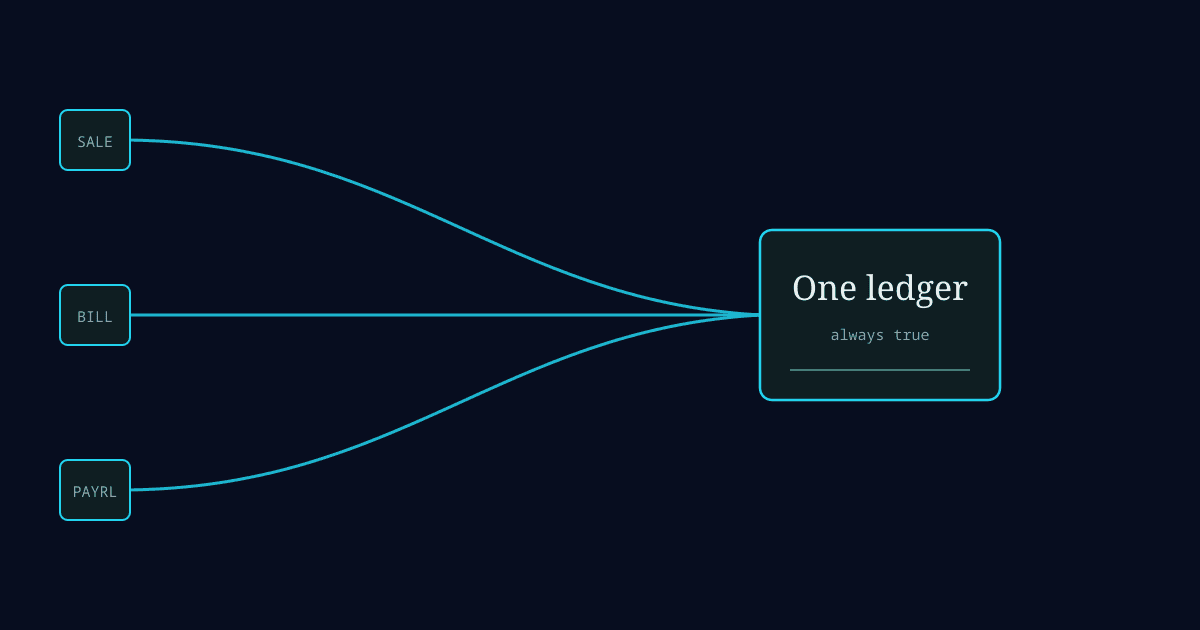
4. Is it one ledger, or several modules that sync?
Plenty of products are really a sales app, an inventory app and an accounting app sold under one name, with a nightly sync holding them together. You find out the first time stock says 40, the accounts say 53, and nobody can tell you which is right.
A simple test: post an invoice during the demo and immediately open the trial balance. If it has already changed, and you can click from the report back to the journal entry, the system has one ledger. If someone says "it'll update after the sync," you have your answer.
5. Where does your data actually live?
Most cloud accounting products keep every customer in one shared database, separated by a column that says which company each row belongs to. That's normal and usually fine, but it's worth knowing, especially if you handle other people's financial data or have strict clients.
Ask whether you get your own database, whether you can run the system on your own server if you want to, and how backups work. Also ask what happens to your data if you stop paying.
6. Can you fix a mistake without erasing history?
Every business makes posting mistakes. The question is whether a correction leaves a trail. In a system an auditor will trust, posted documents are never edited or deleted; they're voided, reversed or credited, and the original stays visible. You should also be able to close a period so nobody backdates an entry into a month that's already been reported.
While you're here, ask about maker–checker: can you require that the person who raises a journal entry isn't the person who posts it? For a business with more than a handful of staff, that separation matters more than most features on the brochure.
7. What will it cost in taka, all-in, for a year?
Dollar pricing, per-user fees, a separate charge for the payroll module. Each one looks small on its own. Ask for a single yearly number in BDT for your actual headcount and modules, including onboarding and moving your opening balances across.
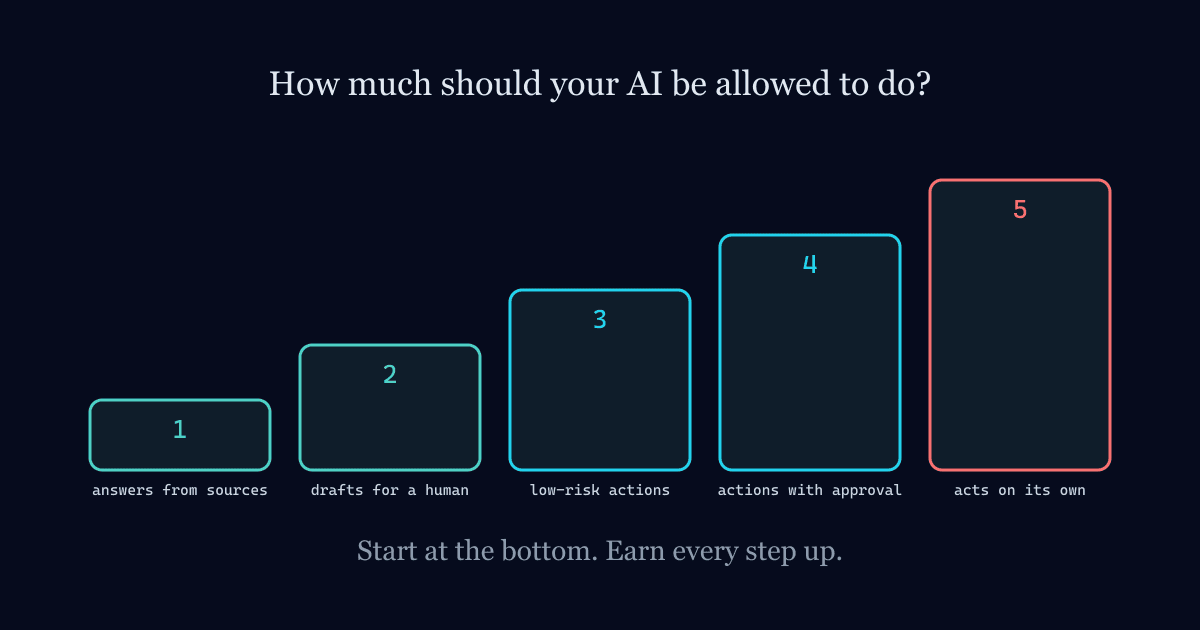
If the product has an AI feature, ask how its usage is paid for. Some vendors bundle it into a per-seat add-on with a markup; others, like us, let you connect your own AI provider account so you pay the provider directly for what you use. Either can be fine, but you should know which one you're signing up for before the first bill.
And ask about migration specifically. A good vendor will import your customers, suppliers, items and chart of accounts from the spreadsheets you already have, and walk you through setting opening balances so day one starts from a trial balance that balances.
How to use these questions
Don't send them in an email. Ask them live, in the demo, and ask the vendor to show you rather than tell you. Anyone can say "yes, we support VAT." Fewer can open the return, click a figure and land on the invoice that produced it.
For what it's worth, we built Izma Office around exactly these questions: VAT return, AIT/VDS and payroll tax computed from one ledger, an isolated database per company, and one monthly price in BDT (with AI usage paid directly to your own provider). But the questions work for comparing anyone, and you should use them on us too.
Still closing the books by hand?
Izma Office puts accounting, VAT, payroll and inventory on one ledger, with an AI assistant that answers from your live books.
See Izma Office →